Discovering the Most Recent Technologies in Pipeline Construction Providers for Modern Projects
The Pipeline Construction sector is going through considerable changes. Innovations such as clever products and robotics are reshaping traditional techniques. These innovations guarantee to boost performance and security. Additionally, AI technologies are boosting job management capacities. As these components converge, they question regarding their long-lasting effect on sustainability and price. Comprehending these advancements is crucial for stakeholders wanting to browse this progressing landscape. What implications do they hold for future tasks?
The Increase of Smart Products in Pipeline Construction
As the demand for more lasting and effective Pipeline systems increases, the assimilation of smart products has arised as a transformative service in Pipeline Construction. These innovative materials have special properties that boost the performance and long life of pipelines. As an example, self-healing polymers can automatically fix minor leakages, considerably decreasing maintenance prices and downtime. Furthermore, products installed with sensors can check structural stability and environmental problems, enabling real-time information collection and evaluation.
Additionally, clever materials are typically light-weight and corrosion-resistant, which not only simplifies installation but also extends the lifespan of the systems. Their versatility makes it possible for pipelines to withstand extreme environmental conditions, promoting security and dependability. As sectors increasingly prioritize sustainability, the usage of green clever products adds to decreased environmental effect. Overall, the surge of wise materials notes a notable shift in Pipeline Construction, leading the way for innovative options to fulfill modern framework needs.
Innovations in Robotics for Setup and Maintenance
The integration of clever products in Pipeline Construction is complemented by innovations in robotics, which are changing installment and upkeep processes. Robot modern technologies, such as automated welding systems and drones, boost effectiveness and accuracy, lowering human error and decreasing security threats. These robotics can run in difficult environments, ensuring that installments are performed in remote or dangerous areas without placing workers in danger.
Moreover, robotic evaluation devices geared up with sophisticated sensing units provide real-time data on Pipeline stability, enabling aggressive maintenance. They can identify leakages or architectural weaknesses, making it possible for timely interventions that extend the life-span of Pipeline systems. Making use of robotics not only increases the Construction timeline but likewise optimizes source allotment, resulting in set you back savings. As these innovations proceed to develop, they are established to play a vital duty fit the future of Pipeline Construction, making sure reliability and sustainability in facilities advancement.
AI-Driven Task Management Equipment Changing Operations
AI-driven project administration devices are reshaping operations in Pipeline Construction by improving decision-making processes with better accessibility to real-time data analytics. These tools make it possible for groups to respond quickly to project developments, thus increasing performance. Streamlined communication channels foster collaboration amongst stakeholders, further optimizing project outcomes.
Boosted Decision-Making Procedures

Real-Time Information Analytics
Harnessing real-time data analytics, contemporary project management devices transform workflow in Pipeline Construction. These sophisticated tools leverage synthetic intelligence to provide instant insights right into task efficiency, resource allowance, and prospective dangers. By constantly keeping an eye on crucial performance indicators, groups can promptly adjust to altering conditions, optimizing labor and products use. The combination of real-time data enables even more informed decision-making, lowering hold-ups and lessening expenses. Additionally, predictive analytics can determine patterns and forecast challenges prior to they intensify, boosting overall task performance. Consequently, Pipeline Construction business that adopt these AI-driven devices can boost task timelines and results, ensuring they continue to be competitive in a progressively complex sector landscape. This development notes a substantial shift towards data-centric administration practices.
Structured Communication Channels
Efficient communication is critical in Pipeline Construction, where various stakeholders must work together seamlessly to assure project success. The intro of AI-driven project monitoring tools has actually revolutionized interaction channels within the market. These tools promote real-time information sharing, allowing groups to access updates, share records, and track progress effectively. By automating routine tasks and giving a centralized platform for interaction, these innovations get rid of misconceptions and reduce delays. Improved presence right into project timelines and source allocation promotes liability among staff member. Additionally, AI analytics can recognize potential communication spaces, making sure proactive analytical. Inevitably, streamlined communication channels not only enhance workflow however likewise raise general task performance, enabling Pipeline Construction companies to meet modern needs efficiently.
Boosted Security Methods Via Technology Assimilation
The integration of technology in Pipeline Construction has resulted in improved security procedures. Real-time tracking systems, wearable security gadgets, and automated danger analyses are currently important components in lessening hazards on work sites. These innovations not only enhance worker security but also streamline conformity with sector guidelines.
Real-Time Tracking Solutions
Exactly how can real-time monitoring systems transform Pipeline Construction safety and security methods? By incorporating innovative technology, these systems give continual security of Construction tasks, ensuring instant detection of potential hazards. Electronic cameras and sensing units can keep an eye on environmental conditions, tools efficiency, and workforce movements, supplying critical information in genuine time. This positive approach permits job managers to identify threats before they escalate, significantly improving security actions on-site. Additionally, real-time surveillance helps with compliance with regulative demands, making certain that safety and security standards are fulfilled regularly. The capacity to evaluate information instantaneously supports enlightened decision-making, allowing prompt interventions. As an outcome, Pipeline Construction projects can run much original site more successfully while protecting the health of workers and lessening accidents, consequently revolutionizing the sector's safety landscape.
Wearable Security Instruments
Frequently, wearable security tools are being incorporated into Pipeline Construction to improve safety and security protocols. These ingenious devices, consisting of smart headgears, vests, and wristbands, are developed to keep track of worker wellness and environmental problems in real-time. Geared up with sensing units, these gadgets can discover hazards such as hazardous gas exposure, too much warm, or high noise degrees, offering immediate alerts to employees and supervisors. Additionally, wearable innovation often consists of general practitioner monitoring features, permitting reliable location monitoring of workers on-site. This ability not only help in fast response throughout emergency situations yet additionally boosts total task management. By prioritizing employee safety and security via technology integration, Pipeline Construction firms are making substantial strides in lowering crashes and advertising a culture of safety within the industry.
Automated Threat Assessments
While standard threat evaluations often count on hand-operated assessments, the combination of computerized risk evaluation modern technologies is transforming safety and security protocols in Pipeline Construction. These advanced systems take advantage of information analytics, fabricated intelligence, and artificial intelligence to recognize potential risks extra accurately and efficiently. By constantly keeping track of environmental problems, equipment condition, and employee actions, automated assessments offer real-time understandings that improve decision-making. This aggressive approach minimizes the possibility of crashes and enhances conformity with security laws. Additionally, automated danger assessments can be updated immediately, making sure that all stakeholders have accessibility to the current info. Consequently, Pipeline Construction projects gain from a safer job environment, minimizing disturbances and cultivating a culture of safety and security through innovation integration.
Sustainable Practices in Pipeline Construction
As the need for energy infrastructure climbs, the Pipeline Construction market increasingly focuses on sustainable techniques that lessen environmental effect. Companies are embracing environmentally friendly materials and innovative Construction methods to reduce their carbon impact. The usage of trenchless innovation allows for Pipeline setup with marginal interruption to the surrounding environment, lowering and protecting all-natural habitats soil disintegration.
In addition, the implementation of eco-friendly power sources, such as solar or wind, to power Construction tasks is gaining traction. This change not just reduces dependence on nonrenewable fuel sources however additionally enhances the overall sustainability of Pipeline jobs. Effective waste monitoring practices, including recycling and reusing materials, are becoming standard in the industry.
Real-Time Monitoring and Predictive Maintenance Solutions
The shift towards sustainable practices in Pipeline Construction has paved the way for the integration of real-time monitoring and predictive maintenance remedies. These technologies leverage advanced sensors and data analytics to continuously evaluate Pipeline stability and functional effectiveness. By accumulating data in genuine time, drivers can spot anomalies such as leakages or stress drops before they escalate into major issues. This positive technique not only lessens environmental dangers yet additionally reduces downtime and maintenance costs.
Predictive maintenance utilizes formulas to forecast possible published here failings based on historical data and existing efficiency metrics. This makes it possible for timely treatments, maximizing maintenance timetables and source allotment. Overall, real-time surveillance and predictive upkeep options represent a substantial innovation in Pipeline Construction, improving safety and security and dependability while supporting sustainability goals. As industries remain to welcome these advancements, the functional landscape of Pipeline administration is readied to develop considerably, making sure long-lasting viability and effectiveness.
The Role of Drones in Checking and Inspection
Drones have actually emerged as transformative tools in the evaluating and evaluation of pipes, offering improved performance and accuracy. Their capability to record high-resolution pictures and video clips from various angles permits for complete assessments of Pipeline honesty without risking human safety and security. Geared up with innovative sensors and thermal imaging abilities, drones can identify leaks, rust, and architectural abnormalities that might not be visible to the naked eye.
The implementation of drones considerably lowers examination time, enabling quicker decision-making for maintenance and repair work. This effectiveness translates to cost savings and very little interruption to bordering atmospheres. Drones can likewise access hard-to-reach areas, such as tough terrains or elevated structures, better increasing the range of inspections.
As the Pipeline industry remains to welcome technical advancements, the assimilation of drones right into evaluating and examination processes is expected to expand, establishing brand-new requirements for operational quality and safety and security in Pipeline Construction solutions.
Often Asked Concerns
What Are the Costs Related To Modern Pipeline Construction Innovations?
The prices related to contemporary Pipeline Construction advancements typically include advanced products, specialized labor, and sophisticated modern technology. These aspects add to greater preliminary investment, but can cause lasting cost savings through improved performance and minimized maintenance demands.
Exactly How Do Regulatory Changes Influence Pipeline Construction Technologies?
Governing modifications significantly affect Pipeline Construction technologies by necessitating the fostering of more secure, much more effective methods. Conformity needs often drive advancement, resulting in developments in materials, style, and Construction techniques that boost overall job sustainability and safety.
What Skills Are Required for Professions in Advanced Pipeline Construction?

Jobs in advanced Pipeline Construction need proficiency in engineering concepts, task monitoring, security methods, and environmental policies. Furthermore, abilities in modern technology integration, teamwork, and problem-solving are necessary for going across the intricacies of modern infrastructure jobs.
Exactly How Can Firms Make Certain Compliance With Environmental Criteria?
To ensure compliance with ecological criteria, firms should execute strenuous training programs, conduct routine audits, and embrace ideal techniques in sustainability. Engaging with stakeholders and checking regulatory adjustments additionally strengthens their commitment to ecological stewardship.
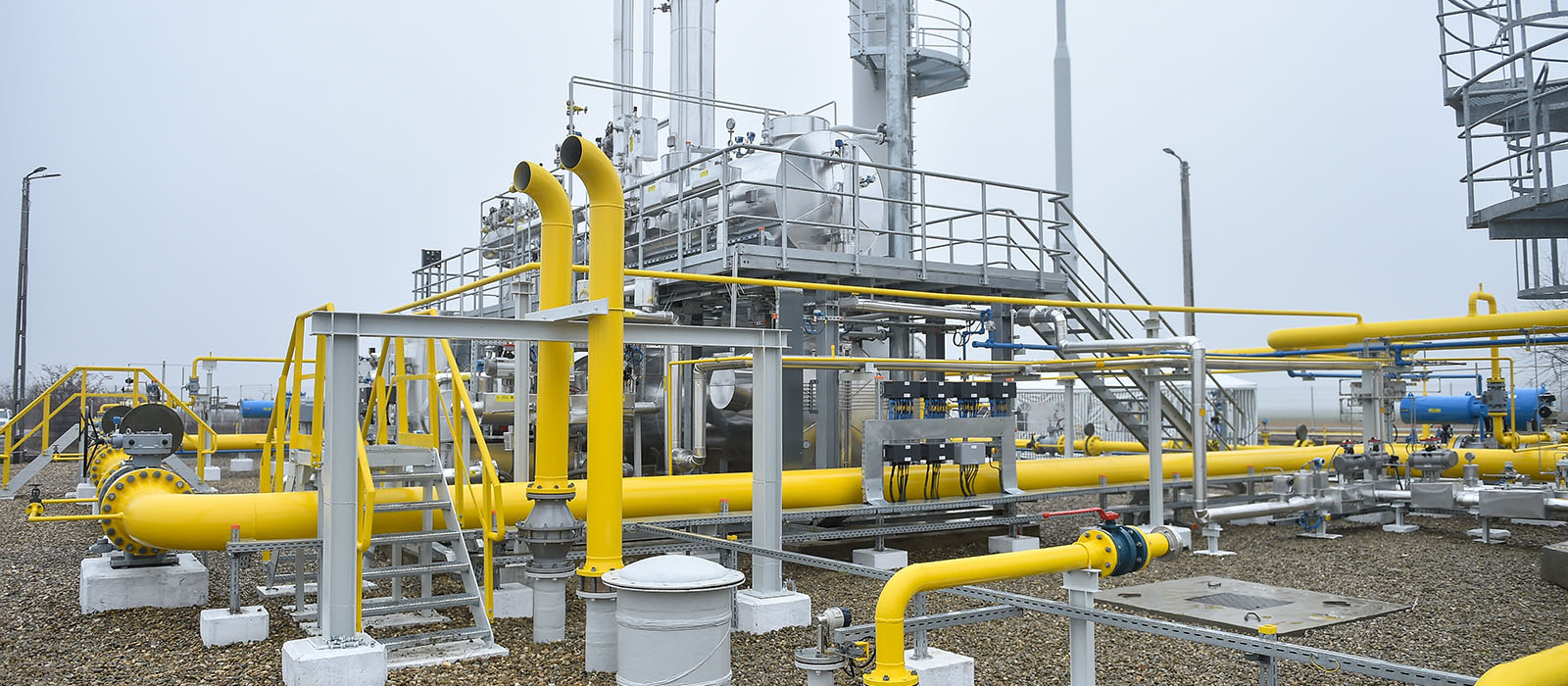
What Are the Secret Challenges Dealing With Pipeline Construction Today?
The key obstacles facing Pipeline Construction today consist of regulatory compliance, ecological issues, changing material expenses, labor scarcities, and the need for sophisticated modern technology combination (Pipeline Construction Services). These variables complicate job timelines and total efficiency in the market
As the need for much more reliable and sustainable Pipeline systems increases, the assimilation of clever products has emerged as a transformative option in Go Here Pipeline Construction. AI-driven task monitoring tools are reshaping workflows in Pipeline Construction by improving decision-making procedures with better accessibility to real-time information analytics. While task management in Pipeline Construction has typically depended on hands-on procedures, the assimilation of innovative devices significantly improves decision-making abilities. Taking advantage of real-time information analytics, modern-day task monitoring devices reinvent operations in Pipeline Construction. Jobs in innovative Pipeline Construction call for knowledge in engineering principles, project management, safety methods, and ecological laws.
Comments on “How to Handle Disputes with Pipeline Construction Services Effectively”